
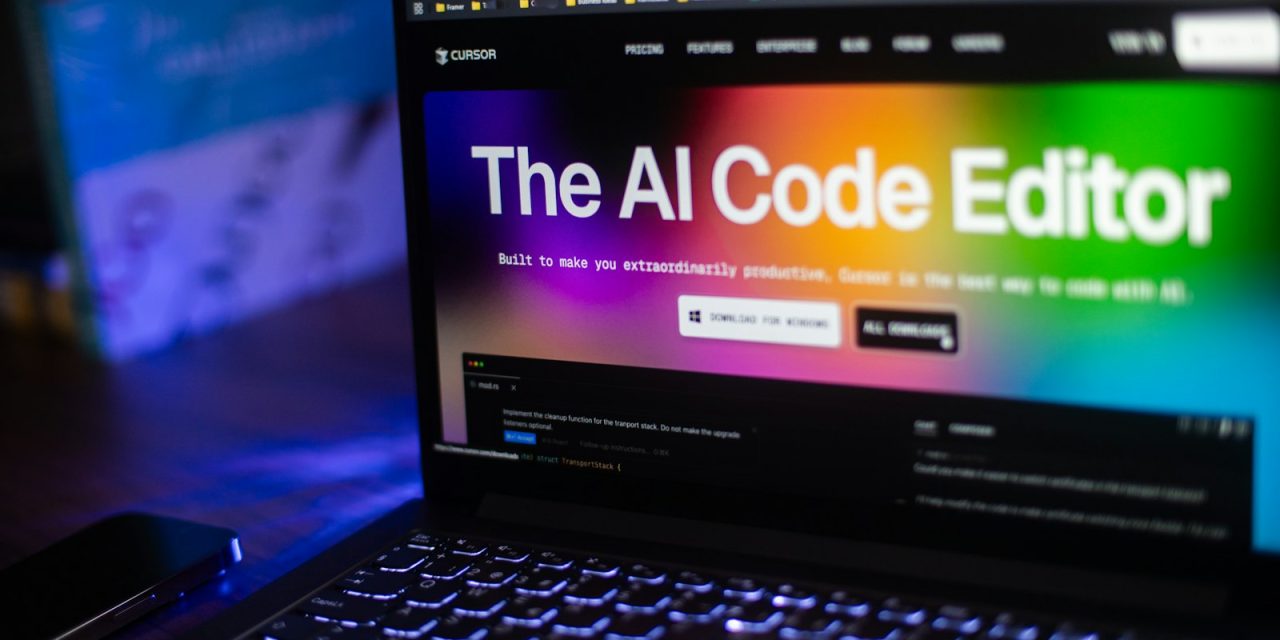
A few years ago, an IT professional's day was full of repetitive work: writing boilerplate code, searching documentation, reading logs line by line, and answering the same support questions again and again. Today, much of that work is handled, or at least started, by AI.
AI has not removed the need for IT people. It has changed where their time goes. Here is what that looks like in practice.
1. Coding: from typing to reviewing
AI coding assistants now write first drafts of functions, tests, migrations and even whole features. The developer's role is shifting from writing every line to directing and reviewing.
What changes day to day:
- Less boilerplate. CRUD endpoints, form validation and config files take minutes, not hours.
- More code review. AI-written code still needs a human to check logic, security and edge cases.
- Faster learning. Developers can ask an assistant to explain an unfamiliar codebase or framework instead of digging through it alone.
The risk: code that looks right but isn't. The developers who do well are the ones who read AI output critically, not the ones who accept it blindly.
2. Support and helpdesk: AI handles the first line
Chatbots and AI agents now answer common questions such as password resets, setup steps and known issues. Support staff spend more time on the problems that actually need a human.
- Tickets arrive pre-sorted and summarised.
- Suggested replies are drafted automatically.
- Knowledge bases are updated from solved tickets.
The job becomes less about repetition and more about judgment, empathy and solving the hard cases.
3. Operations and security: watching more with less
Monitoring tools with AI can spot unusual traffic, failing services or suspicious logins faster than a person scanning dashboards.
For system administrators and DevOps engineers, this means:
- Fewer false alarms, as AI learns what "normal" looks like.
- Faster root-cause analysis, because AI can correlate logs across systems.
- Automated fixes for routine problems, such as restarting a service or scaling a server.
For website owners, the same idea applies to updates, backups, uptime checks and security scans. Work that used to need regular manual attention can now run in the background, with a human stepping in only when something unusual happens.
4. Documentation and communication
Few IT people enjoy writing documentation. AI now drafts README files, API docs, release notes and meeting summaries. It also helps translate technical details into plain language for managers and clients.
This matters more than it sounds. Clear communication has always separated good IT professionals from great ones, and AI lowers the barrier.
5. The skills that matter more now
As AI takes over routine tasks, the value of an IT professional moves up a level. The skills that matter most now are:
- System design and architecture. AI can write a function, but deciding how a whole system fits together is still a human job.
- Problem framing. Knowing what to ask the AI, and how to break a problem down, decides the quality of the result.
- Review and verification. Checking AI output for bugs, security gaps and wrong assumptions.
- Security awareness. AI tools bring new risks, including leaked data in prompts and insecure generated code.
- Business understanding. Connecting technology to real business outcomes is where IT professionals add the most value.
6. The honest downsides
AI has also brought real challenges:
- Over-reliance. Junior developers may skip learning the fundamentals.
- Quality drift. Fast output can mean more hidden bugs if nobody reviews carefully.
- Job pressure. Some routine roles are shrinking, and expectations of speed are rising.
- Privacy concerns. Pasting company code or customer data into AI tools can create compliance problems.
The answer is not to avoid AI, but to use it with clear rules: review everything, protect sensitive data, and keep building core skills.
How to adapt
If you work in IT, a few practical steps will help:
- Use AI tools daily for small tasks, so you learn their strengths and limits.
- Strengthen your fundamentals in architecture, security and debugging, because those are what you use to judge AI output.
- Automate your own repetitive work before someone else does.
- Focus on outcomes. Speak in terms of what the business gains, not just which tools you used.
Final thought
AI is not ending IT careers. It is ending the most repetitive parts of them. The IT professional of today spends less time typing and searching, and more time designing, reviewing and solving real problems.
Those who learn to work with AI will do more, and do it better, than ever before.